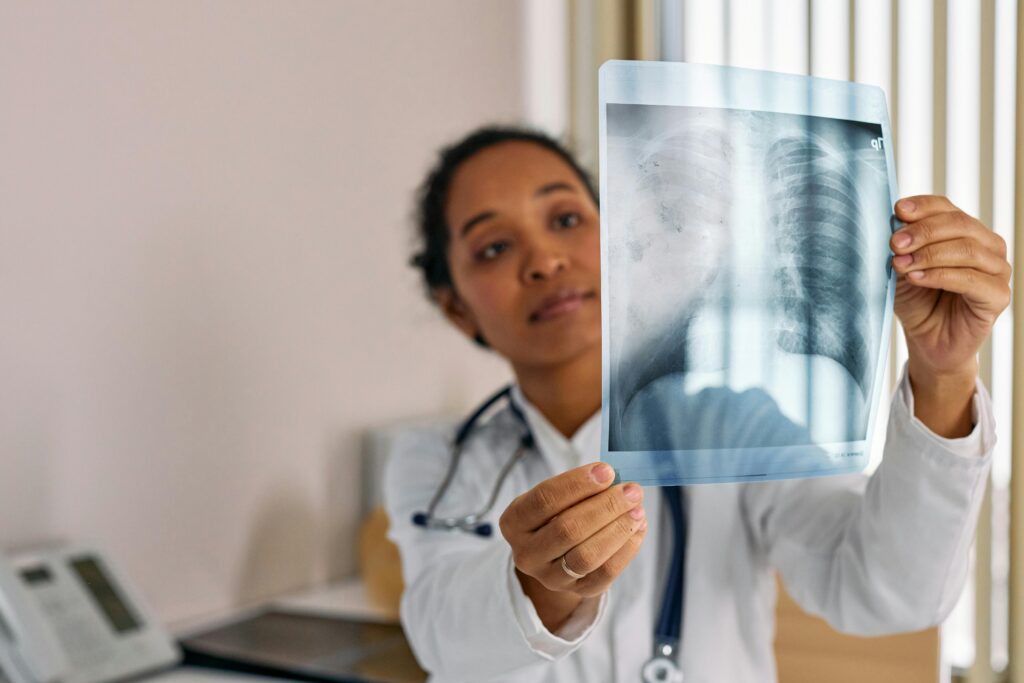
Pneumonia is more than “just a bad cold.” It’s an infection of one or both lungs that can range from mild to life-threatening, especially in older adults or those living with chronic conditions. Recognizing the early warning signs and understanding when to act can make all the difference.
What Is Pneumonia?
Pneumonia occurs when infection causes the tiny air sacs in the lungs to fill with fluid or pus, making it harder for oxygen to reach the bloodstream. It can be caused by bacteria, viruses, or fungi. For adults with weakened immune systems, chronic diseases, or recent surgeries, pneumonia can develop quickly and complicate recovery.
Key Signs and Symptoms in Adults
The symptoms of pneumonia vary depending on a person’s age, overall health, and the type of infection, but some of the most common include:
- Cough that may produce green, yellow, or even bloody mucus
- Fever and chills or excessive sweating
- Shortness of breath or rapid, shallow breathing
- Chest pain that worsens when breathing deeply or coughing
- Fatigue or loss of appetite
- Confusion or mental fog, especially in older adults
- Lower than normal body temperature, which can occur in older or frail individuals
These symptoms can appear suddenly or develop gradually. Because pneumonia can progress quickly, it’s important to pay attention to even mild signs, especially in people with diabetes, heart disease, or respiratory conditions.
Why Early Recognition Matters
Prompt treatment of pneumonia reduces the risk of complications such as respiratory failure or sepsis. For adults recovering from surgery, wounds, or chronic illness, pneumonia can further delay healing. Low oxygen levels and inflammation can slow tissue repair and weaken the immune response, two key factors in wound recovery.
Like what you’re reading? Sign up for our newsletter.
How RFH’s Acute Care Services Support Recovery
At Restore First Health (RFH), we deliver advanced, hospital-level care directly to patients’ homes, making it easier to manage pneumonia and related complications without unnecessary hospital stays. Our approach combines medical monitoring, treatment, and care coordination under one roof, or rather, under your roof.
Here’s how RFH can help:
- Home-based acute monitoring: Our clinical teams can monitor breathing, oxygen saturation, and temperature in real time, identifying early signs of decline before they become emergencies.
- Hospital-level treatment at home: For adults who qualify and when appropriate, RFH provides IV antibiotics, respiratory support, and ongoing clinical assessment without the risks of hospital exposure.
- In-Home Imaging: Our medical experts can coordinate in-home imaging for chest x-ray, when indicated.
- Nutritional and functional recovery: Pneumonia often leads to appetite loss and fatigue. RFH clinicians help patients maintain proper hydration and balanced diets to support lung and tissue repair.
- Comprehensive follow-up: After the acute phase, we refer back to the patient’s primary care physician to ensure patients continue to recover and that there is no gap in care.
What To Do If You Suspect Pneumonia
- Don’t ignore persistent cough, chest pain, or fatigue.
- Seek medical evaluation, especially if you have underlying conditions.
- Stay hydrated, rest, and monitor for worsening symptoms.
- Notify your care team if you already receive home-based services so they can coordinate respiratory and healing support.
The RFH Advantage
At RFH, we believe healing doesn’t have to wait for a hospital bed. Our mobile acute-care teams deliver the same high-level treatment you’d expect in a hospital, oxygen monitoring, IV therapy, and medical oversight, right in the comfort of your home.
Because when it comes to pneumonia, the sooner care begins, the faster healing happens.
Follow us on social to get more health tips, education and videos.
American Lung Association. Pneumonia Symptoms and Diagnosis. https://www.lung.org/lung-health-diseases/lung-disease-lookup/pneumonia/symptoms-and-diagnosis
American Lung Association. Learn About Pneumonia. https://www.lung.org/lung-health-diseases/lung-disease-lookup/pneumonia/learn-about-pneumonia
Mayo Clinic. Pneumonia – Symptoms and Causes. https://www.mayoclinic.org/diseases-conditions/pneumonia/symptoms-causes/syc-20354204
Mayo Clinic News Network. Recognizing the Signs of Pneumonia. https://newsnetwork.mayoclinic.org/discussion/consumer-health-recognizing-the-signs-of-pneumonia
Centers for Disease Control and Prevention (CDC). Pneumonia – Symptoms and Prevention. https://www.cdc.gov/pneumonia/index.html
National Heart, Lung, and Blood Institute (NHLBI). What Is Pneumonia? https://www.nhlbi.nih.gov/health/pneumonia