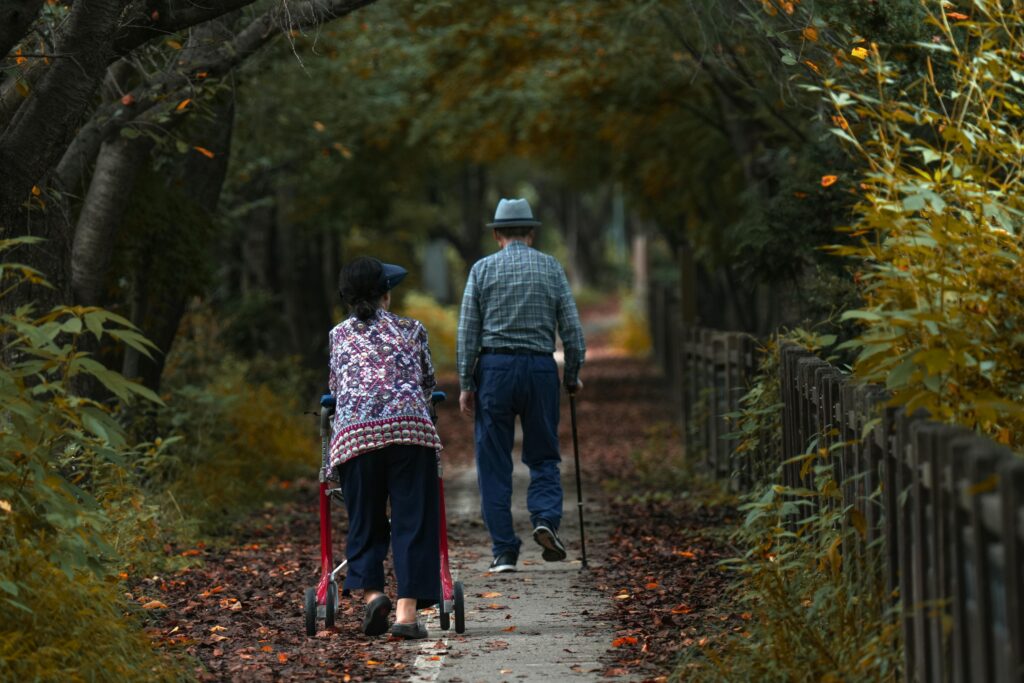
Falls are the leading cause of injury and hospitalization in adults over 65. Nearly one in four older adults falls each year, and most falls are not simply accidents. They are caused by identifiable medical conditions, mobility decline, medication effects, and environmental risks.
Understanding the top causes of falls in the elderly is the first step toward prevention and toward maintaining independence.
What Is the Number One Cause of Falls in Older Adults?
The strongest predictor of falls is gait instability, balance impairment, and muscle weakness.
Age-related muscle loss (sarcopenia), frailty, post-surgical weakness, and impaired mobility directly reduce stability. When lower-body strength declines, even minor obstacles increase fall risk dramatically.
Mobility assessment is critical, and this is where care coordination matters.
TCE (Telehealth Clinical Evals), a subsidiary company of Restore First Health, specializes in comprehensive fall and mobility assessments. TCE coordinates Assistive Technology Professionals (ATPs) and clinicians to perform at-home or in-clinic telehealth evaluations in a single appointment. This streamlined process helps patients receive complex rehab technology (CRT), including customized wheelchairs, faster.
When mobility is properly assessed and the correct equipment is prescribed, fall risk decreases significantly.
Watch: How TCE Helps Patients Get Mobility Equipment, Faster.
Medical Conditions That Increase Fall Risk
Falls in seniors are usually multifactorial. The most common medical contributors include:
Gait, Balance, and Muscle Weakness Disorders
Frailty, impaired gait, and muscle weakness remain the strongest overall contributors to falls. These conditions affect stability during walking and transfers.
For patients who require mobility equipment, timely evaluation and documentation are essential. TCE helps complete clinical documentation sooner, allowing CRT insurance claims to be approved faster, so patients get the support they need without delay.
Neurological Disorders
Stroke, Parkinson’s disease, peripheral neuropathy, multiple sclerosis, and seizure disorders impair coordination and sensation. Neuropathy in the feet reduces proprioception, altering walking mechanics and increasing instability.
Cognitive Impairment
Dementia, Alzheimer’s disease, and delirium contribute to unsafe behaviors and poor judgment, leading to higher fall rates and greater injury severity.
Medication-Related Causes
Medications are the most modifiable cause of falls.
High-risk medications include:
- Benzodiazepines
- Opioids
- Antidepressants
- Antipsychotics
- Antihypertensives
- Diabetes medications
These can cause dizziness, sedation, orthostatic hypotension, and blood sugar fluctuations.
Medication review is a critical part of fall prevention, particularly for patients managing multiple chronic conditions.
Cardiovascular Causes
Orthostatic hypotension, arrhythmias, syncope, and heart failure can cause sudden dizziness or collapse-type falls.
Visual Disorders
Cataracts, macular degeneration, glaucoma, and diabetic retinopathy increase environmental trip and slip risk.
Endocrine and Metabolic Conditions
Diabetes, thyroid disorders, electrolyte imbalances, and vitamin deficiencies impair nerve function, muscle strength, and cognition.
Acute Illness
UTIs, pneumonia, dehydration, and anemia frequently cause sudden weakness or delirium. In many cases, a fall is the first sign of an acute medical problem.
Environmental Causes of Falls
Environmental hazards account for approximately one-third of falls, including:
- Poor lighting
- Loose rugs
- Clutter
- Uneven flooring
- Lack of grab bars
However, environmental risk typically combines with underlying medical instability.
TCE plays a critical role in identifying mobility limitations and coordinating ATPs and clinicians in one telehealth appointment. This eliminates weeks of delay between visits, reduces paperwork backlogs, and accelerates mobility equipment approvals.
Patients get what they need, faster.
How Restore First Health and TCE Work Together to Reduce Fall Risk
Restore First Health delivers advanced medical care directly in the home through mobile visits and assisted telehealth. Our providers evaluate:
- Chronic disease stability
- Foot wounds affecting gait
- Cardiovascular contributors
- Acute illness
- Medication interactions
When mobility equipment is required, TCE coordinates the evaluation process, ensuring documentation is clean, compliant, and completed in a single visit.
Together, RFH and TCE address both the medical drivers and the mobility solutions that reduce fall risk.
When to Seek Evaluation After a Fall
Older adults should seek medical evaluation if they experience:
- Recurrent falls
- New dizziness or vertigo
- Confusion
- Sudden weakness
- Changes in walking pattern
- Difficulty transferring
Falls are often preventable, but only when the root cause is identified.
The leading cause of falls in older adults is gait instability and muscle weakness. Age-related muscle loss, balance impairment, and frailty reduce stability and increase fall risk.
Common medical causes of falls include neurological disorders (like stroke or Parkinson’s), dementia, medication side effects, low blood pressure, diabetes, vision problems, and acute illnesses such as UTIs. Most falls are caused by a combination of medical and mobility factors.
Falls can be prevented through comprehensive evaluation, including gait and balance assessment, medication review, blood pressure monitoring, vision screening, and proper mobility equipment. Coordinated telehealth evaluations can help patients receive needed wheelchairs or supports faster, reducing repeat falls.
Follow us on social media for more health tips, videos and education.
Tinetti ME, Speechley M, Ginter SF. Risk Factors for Falls Among Elderly Persons Living in the Community. Journal of the American Geriatrics Society. 1991.
https://agsjournals.onlinelibrary.wiley.com/doi/abs/10.1111/j.1532-5415.1991.tb01626.x
Rubenstein LZ, Josephson KR. Falls and Their Prevention in Elderly People: What Does the Evidence Show? New England Journal of Medicine. 1997.
https://www.nejm.org/doi/abs/10.1056/NEJM199710303371806
Howcroft J, et al. Falls Risk Assessment Using Wearable Sensors and Machine Learning. IEEE Transactions on Biomedical Engineering. 2016.
https://ieeexplore.ieee.org/abstract/document/7742363