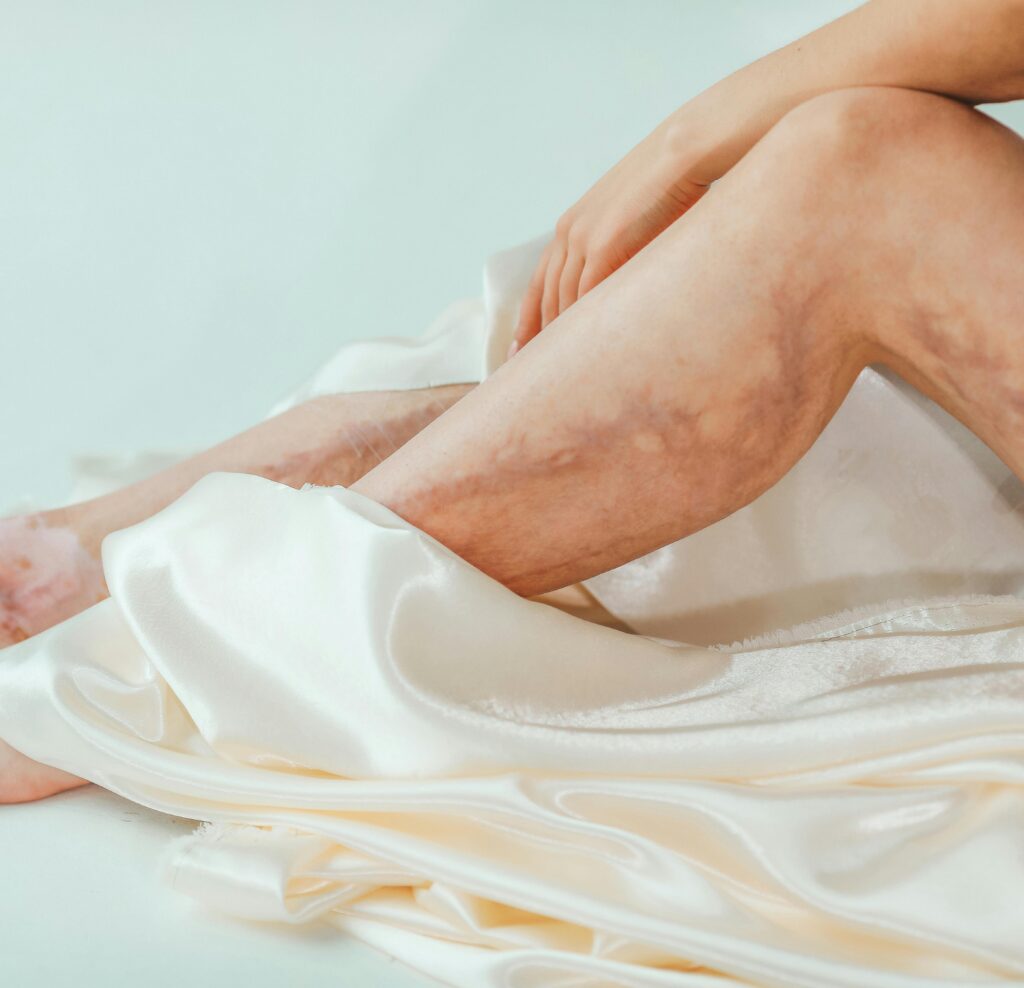
Each year 150,000 new patients are diagnosed with Chronic Venous Insufficiency (CVI), yet many people don’t know they have it until symptoms progress. If you’ve ever experienced leg swelling, aching, or visible varicose veins, you could be dealing with CVI. Fortunately, early diagnosis and simple lifestyle changes can help manage the condition and improve your quality of life.
What Is Chronic Venous Insufficiency?
Chronic Venous Insufficiency is a long-term condition where the veins in the legs fail to efficiently return blood to the heart. Normally, valves inside the veins keep blood flowing upward. But when those valves become weak or damaged, often due to aging, prolonged sitting or standing, or previous blood clots, blood can pool in the lower limbs.
This pooling leads to increased pressure in the veins, which can cause symptoms like:
- Leg heaviness or fatigue
- Swelling (especially at the end of the day)
- Cramping or throbbing
- Skin changes or ulcers around the ankles
- Visible varicose veins
Over time, if untreated, CVI can lead to more serious complications, including venous ulcers and skin infections.
What Causes CVI?
Several risk factors contribute to the development of CVI, including:
- Genetics (family history of vein problems)
- Advancing age
- Female gender (especially post-pregnancy)
- Obesity
- Prolonged inactivity (sitting or standing for long periods)
- History of deep vein thrombosis (DVT)
How to Get Tested for CVI
If you’re experiencing symptoms, the first step is to schedule an evaluation with a vascular specialist or your primary care provider. Diagnosis typically includes:
- Physical Exam: Your provider will look for visible signs such as swelling, skin changes, or varicose veins.
- Duplex Ultrasound: A non-invasive imaging test that shows blood flow and valve function in your veins. This is the most common and reliable method of diagnosis.
- Venous Pressure Testing: Occasionally used to measure vein pressure and assess how well your veins are working.
Early diagnosis can help you manage the condition before it progresses.
Lifestyle Changes That Help
While CVI is a chronic condition, many lifestyle strategies can reduce symptoms and prevent progression:
- Exercise Regularly: Walking and leg-strengthening exercises support blood flow and strengthen calf muscles.
- Wear Compression Stockings: These garments improve circulation and reduce swelling. Ask your doctor for guidance on proper fit and compression level.
- Elevate Your Legs: Raise your legs above heart level for 15–30 minutes several times a day to reduce swelling.
- Maintain a Healthy Weight: Reducing excess body weight lowers pressure on leg veins.
- Eat a Balanced Diet: Focus on high-fiber foods and limit salt intake to minimize fluid retention and improve circulation.
- Avoid Smoking: Smoking damages blood vessels and worsens venous circulation.
- Change Positions Frequently: If you sit or stand for long periods, take regular breaks to walk or stretch. Flex your feet and ankles to keep your blood moving.
Chronic Venous Insufficiency is more common than many realize, but it’s also highly manageable. If you’re noticing symptoms like swelling, heaviness, or varicose veins, talk to a healthcare provider about getting tested. The right combination of early diagnosis, medical guidance, and lifestyle changes can help you stay ahead of the condition and feel better every day.
Contact us today:
We’ll coordinate the care, so you don’t have to.
- Refer a patient. https://restorefirsthealth.com/refer-a-patient/
- Schedule a consult. https://restorefirsthealth.com/request-a-consultation/
Follow us to keep up to the date on the latest health news:
- Eberhardt RT, Raffetto JD. Chronic Venous Insufficiency. StatPearls [Internet]. Treasure Island (FL): StatPearls Publishing; 2024. Available from: https://www.ncbi.nlm.nih.gov/books/NBK430975/
- Ziaja D, Chudek J, Ziaja K. Pathophysiology of chronic venous disease and venous leg ulcers. Postepy Dermatol Alergol. 2021 Aug;38(4):429–36. https://www.ncbi.nlm.nih.gov/pmc/articles/PMC8348673/
- Society for Vascular Surgery. Chronic Venous Insufficiency (CVI). https://vascular.org/your-vascular-health/vascular-conditions/chronic-venous-insufficiency