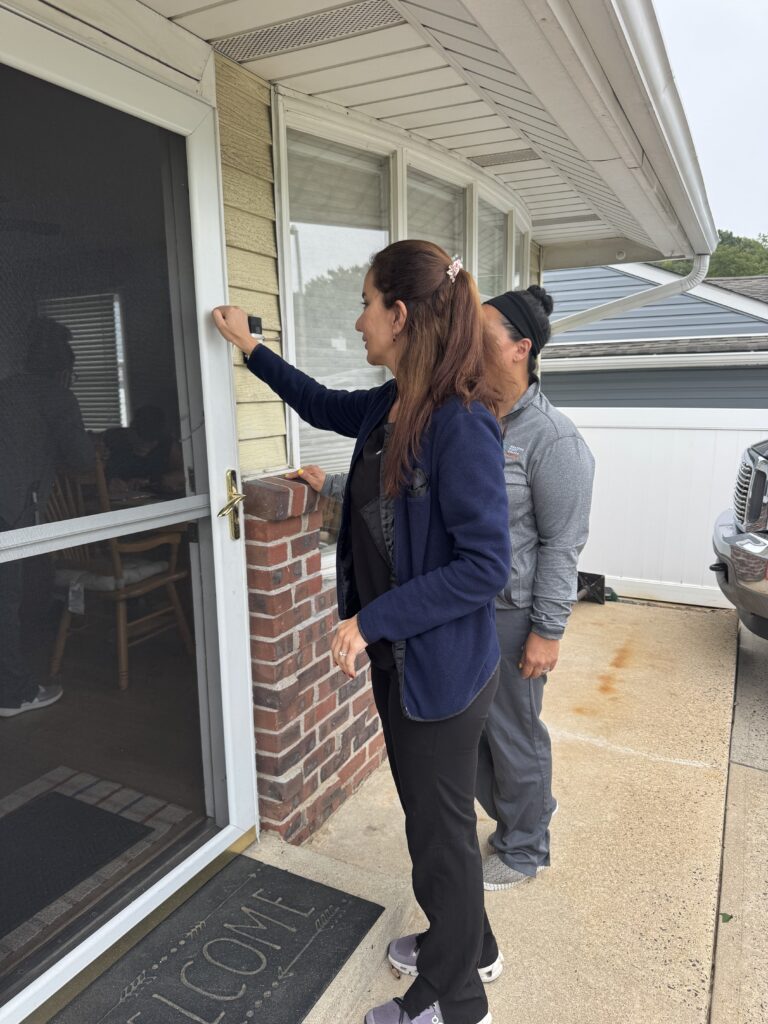
When someone gets sick or develops new symptoms, the first thought is often the emergency room or urgent care. But what if hospital-level care could come straight to your home?
That is what mobile acute care is all about. At Restore First Health, we deliver in-person, physician-guided acute care directly to the patient- right when and where it’s needed.
This approach keeps people out of the hospital, speeds recovery, and reduces the stress on families and care teams.
Who is mobile acute care for?
We help patients who are experiencing serious but non-emergent conditions. That means the situation needs fast attention, but it does not yet require the ER.
We commonly treat:
- Chronic respiratory conditions like COPD or asthma
- Congestive heart failure flare-ups
- Diabetes-related complications
- Chronic and complex wounds
- Cardiovascular or vascular conditions
- Simple and complex urinary tract infections
- Cough, congestion, and pneumonia (mild-to-moderate cases)
- Lacerations, abscesses, and soft tissue infections
- Sprains, strains, non-surgical fractures, and falls
- Leg swelling, edema, and mobility concerns
In short, we care for patients at home who might otherwise end up back in the hospital.
So, what do we actually do?
Our mobile acute care teams perform hospital-level evaluations and treatments at the patient’s home.
These services include:
- In-home medical evaluations
- Bedside labs and point-of-care testing
- Coordination for imaging like X-rays and ultrasounds
- Personalized care planning based on each patient’s unique needs
- Multidisciplinary review with physicians and specialists
- Seamless communication with home health, PCPs, and case managers
Every case is guided by a physician-led team, ensuring that patients receive safe, effective, and evidence-based care.
When is mobile acute care most valuable?
- Right after hospital discharge: We help patients stabilize at home and avoid readmission.
- When symptoms worsen: Our rapid-response team intervenes quickly to prevent escalation.
- For high-risk patients: Those with multiple chronic conditions or mobility issues benefit from proactive care in place.
Where does it happen?
Mobile acute care happens at the place the patient calls home — whether that’s a house, assisted living, or post-acute rehab discharge.
By meeting patients where they are, we:
- Reduce unnecessary ER visits
- Keep patients in-network for ACOs and health systems
- Give families peace of mind knowing that high-level care is available without the disruption of a hospital trip
Why does it matter?
For patients and families:
- Faster response to new symptoms
- Less disruption to daily life
- Reduced hospital visits and safer recovery at home
- Care that feels personal and consistent
For ACOs and health systems:
- Lower readmissions and fewer preventable hospitalizations
- Improved quality metrics tied to value-based care goals
- Protected attribution by keeping care in-network
- Better patient satisfaction and trust in the system
The Bottom Line
Mobile acute care fills the gap between hospital and home. It gives patients timely, high-level care without the cost and stress of hospitalization. And for health systems and ACOs, it delivers measurable value: lower readmissions, better outcomes, and stronger patient trust.
At Restore First Health, our mission is simple: bring acute care to the patient, when and where it’s needed most.