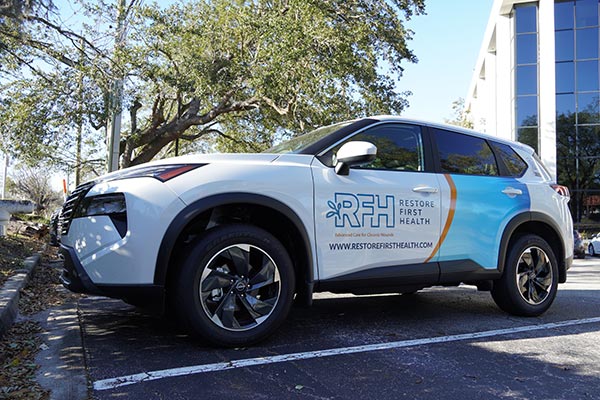
Healthcare is evolving. Patients with chronic or complex conditions are increasingly receiving care outside traditional hospital settings. Mobile health care is becoming an important part of modern care delivery because it allows providers to meet patients where they live.
For patients who struggle with mobility, transportation barriers, or chronic illness, receiving care in the home can make a significant difference in their experience. For healthcare partners such as home health agencies, hospitals, and physician groups, mobile care programs can support coordination and continuity across the care journey.
But not all mobile health care organizations operate the same way. The most effective programs share several core characteristics. They focus on coordination, communication, technology, and collaboration with the broader healthcare ecosystem.
In this article, we explore what defines a great mobile health care company and why coordinated in home services such as Mobile Wound Care, Mobile Acute Care, Mobile Lymphedema Care, telehealth support, and AI driven care tracking are becoming essential to modern patient care.
The Evolution of Mobile Health Care
Mobile healthcare is not simply about sending a clinician to a patient’s home. The model has evolved significantly over the past decade as healthcare systems have sought new ways to care for aging populations and patients with chronic disease.
Many patients managing complex conditions experience fragmented care. They may see multiple specialists, receive services from home health agencies, and transition between hospitals, rehabilitation facilities, and outpatient clinics.
Without strong coordination, these transitions can create gaps in communication, confusion about treatment plans, and delays in care.
Modern mobile health care companies aim to reduce these gaps by creating systems that connect providers, patients, and families around a shared care plan.
This approach focuses on three important pillars:
• Care coordination
• Communication across providers
• Collaboration between clinical teams
These principles allow mobile health programs to function as an extension of the healthcare ecosystem rather than as a disconnected service.
Restore First Health builds its care model around these core pillars to ensure every patient receives coordinated care across the providers involved in their treatment.
Patient Centered Care in the Home
One of the defining qualities of a great mobile health care company is a patient centered care model.
Patients living with chronic wounds, lymphedema, or complex medical conditions often face daily challenges that make traveling to appointments difficult. Limited mobility, pain, transportation barriers, and caregiver availability can all impact access to care.
By delivering advanced care services in the home, mobile healthcare providers can evaluate the patient in the environment where healing actually occurs.
This approach allows clinicians to better understand:
• The patient’s mobility challenges
• Their support system and caregivers
• Environmental factors affecting recovery
• Access to medical equipment and supplies
Understanding these factors helps clinicians design more personalized care plans.
It also allows families and caregivers to become more actively involved in the care process.
Many mobile healthcare programs work closely with caregivers to provide education, support, and ongoing communication so that care plans can be followed effectively at home.
Care Coordination: The Foundation of Mobile Care
A great mobile healthcare organization does not operate in isolation. It works as part of a coordinated care network that includes physicians, specialists, home health agencies, rehabilitation facilities, and hospitals.
Care coordination begins as soon as a patient is referred to a mobile health provider.
Coordinators typically review medical records, verify insurance information, gather clinical documentation, and work with the patient and family to schedule the initial visit.
From that point forward, coordination continues throughout the care process.
This includes:
• Sharing visit notes with referring providers
• Updating care plans as conditions change
• Communicating with specialists when additional evaluation is needed
• Coordinating medical equipment and supplies
When coordination is done effectively, it creates a clear path forward for the patient and ensures all providers involved in care remain aligned.
This coordinated model also supports safe transitions between care settings such as hospitals, rehabilitation facilities, and home care programs.
Communication Between Care Teams
Communication is another essential component of successful mobile health care programs.
Patients with chronic conditions often receive care from multiple providers. Without consistent communication between those providers, important information can be lost.
A strong mobile healthcare organization maintains open communication with:
• Referring physicians
• Home health teams
• Specialists
• Discharge planners
• Families and caregivers
Clinical documentation and care updates are shared regularly to ensure that everyone involved understands the patient’s condition and treatment plan.
Clear communication also helps healthcare partners maintain continuity of care while ensuring that the patient remains connected to their existing care team.
Restore First Health emphasizes consistent communication with referring providers and care partners to keep all stakeholders informed throughout the patient’s care journey.
Technology That Supports Better Care
Technology has become a powerful tool in mobile health care.
Advanced mobile healthcare organizations now use bedside technology and digital tools to improve documentation, monitoring, and care planning.
Some of the technologies used in mobile healthcare programs may include:
• Advanced wound imaging technology
• Bedside diagnostic tools
• Portable laboratory testing
• Digital wound measurement systems
• AI driven wound tracking platforms
These tools allow clinicians to capture accurate data during visits and track changes in a patient’s condition over time.
For example, imaging technology can help clinicians evaluate wound characteristics and document healing progression with precise measurements.
AI supported tracking systems can analyze wound images and clinical data to help monitor progress and support documentation.
These tools help clinicians gather information more efficiently and share insights with other providers involved in the patient’s care.
Mobile Wound Care Services
Chronic wounds represent one of the most complex conditions managed through mobile healthcare programs.
These wounds may include:
• Diabetic foot ulcers
• Venous ulcers
• Arterial wounds
• Pressure injuries
• Surgical wounds
• Traumatic wounds
Patients living with chronic wounds often face additional health challenges such as diabetes, vascular disease, limited mobility, or compromised immune systems.
Mobile wound care programs bring specialized wound care expertise directly to the patient’s home.
These services typically include:
• Wound assessments and measurements
• Debridement procedures when appropriate
• Dressing selection and wound care plans
• Bedside diagnostic testing
• Ongoing monitoring and documentation
Mobile wound care teams may also collaborate with specialists such as vascular surgeons, podiatrists, and primary care physicians to address underlying health factors that affect healing.
Restore First Health delivers advanced mobile wound care using modern imaging tools, bedside diagnostics, and coordinated care planning to support patients with chronic wounds.
Mobile Acute Care
Another important component of modern mobile health care is mobile acute care.
Patients with chronic disease often experience sudden medical issues that require prompt evaluation but may not necessarily require a hospital visit.
Mobile acute care services focus on assessing and stabilizing non emergency medical concerns in the home environment.
These may include:
• Respiratory infections
• Urinary tract infections
• Diabetes related complications
• Fluid retention or swelling
• Minor injuries or falls
By evaluating these conditions in the home, clinicians can work with the patient’s existing care team to determine the most appropriate next steps.
This approach supports continuity of care while helping patients receive timely evaluation when symptoms arise.
Emergency situations should always be addressed by calling emergency services.
Mobile Lymphedema Care
Lymphedema is another condition that can significantly impact quality of life.
This chronic swelling condition occurs when the lymphatic system cannot properly drain fluid from the body.
Patients with lymphedema often experience:
• Persistent swelling in the limbs
• Skin changes
• Reduced mobility
• Increased risk of infection
Mobile lymphedema care programs bring specialized compression therapy and edema management directly to the patient’s home.
Care plans may include:
• Compression therapy programs
• Limb measurements and monitoring
• Skin care education
• Mobility and positioning guidance
Managing lymphedema effectively requires ongoing monitoring and consistent therapy. Mobile care allows clinicians to evaluate how treatment works within the patient’s home environment.
Telehealth and Hybrid Care Models
Telehealth has become an important part of mobile health care programs.
In many cases, telehealth is used alongside in person care to provide additional clinical insight or consultation.
Hybrid models may involve a clinician visiting the patient in person while another provider participates through a virtual platform.
This approach allows care teams to collaborate quickly while ensuring the patient receives support directly in the home.
Telehealth can also allow providers to:
• Conduct follow up evaluations
• Review care plans
• Provide education to caregivers
• Coordinate with specialists
When used appropriately, telehealth can strengthen communication between providers and patients while maintaining continuity of care.
Supporting Healthcare Partners
Mobile health care companies play an important role in supporting healthcare partners across the continuum of care.
Hospitals, home health agencies, rehabilitation centers, and physician practices often work with patients who require specialized services but may not have the capacity to deliver those services directly.
By collaborating with mobile care organizations, these partners can access specialized clinical support while maintaining the overall management of the patient.
Mobile healthcare programs can help support partners by:
• Sharing clinical updates
• Coordinating care transitions
• Providing specialty evaluations
• Supporting discharge planning
This collaborative approach allows care teams to work together more effectively while ensuring the patient receives consistent support.
Serving Communities Across the Country
Accessibility is another important factor in evaluating a mobile healthcare company.
Strong programs develop regional teams that can deliver care across multiple communities.
Restore First Health currently operates mobile care teams across several states including:
Georgia
Atlanta
Johns Creek
Marietta
Riverdale
Savannah
New Jersey
East Windsor
Bloomfield
Galloway
Marlton
Pennsylvania
Plymouth Meeting
Texas
Houston
Florida
Jacksonville
Orlando
Nevada
Las Vegas
Mobile teams typically serve communities within a defined radius of these cities to ensure timely access to care.
Expanding regional coverage allows more patients and healthcare partners to access mobile healthcare services when they are needed.
The Role of AI in Mobile Health Care
Artificial intelligence is beginning to play a growing role in healthcare documentation and analytics.
AI powered tools can help clinicians track healing patterns, analyze wound images, and support documentation across care visits.
These technologies do not replace clinical judgment. Instead, they provide additional data that can help care teams monitor progress and maintain consistent records.
Some mobile healthcare programs use AI driven platforms to support wound progression tracking and documentation.
By combining clinical expertise with technology, mobile care teams can create detailed records that support continuity of care.
Restore First Health uses AI supported wound tracking technology to help monitor wound progression and support clinical documentation across visits.
A Coordinated Approach to Chronic Disease Management
Chronic disease management requires ongoing support across multiple aspects of a patient’s health.
Conditions such as diabetes, vascular disease, and heart disease can influence wound healing, swelling, mobility, and overall recovery.
Mobile healthcare programs often work closely with physicians and specialists to ensure care plans address these underlying factors.
This coordinated approach allows providers to consider the whole patient rather than focusing on a single condition.
Care plans may include:
• Nutritional guidance
• Mobility support
• Medical equipment evaluations
• Chronic disease management
By addressing these broader factors, mobile healthcare teams can support patients as they navigate long term health challenges.
Education and Support for Patients and Families
Another key component of effective mobile healthcare is education.
Patients and caregivers often benefit from learning more about their condition and the steps involved in managing it.
Mobile clinicians may provide guidance on:
• Wound care techniques
• Infection prevention
• Medication adherence
• Lifestyle adjustments
• Nutrition and mobility
Education empowers patients and families to take an active role in the care process.
It also helps ensure that treatment plans are followed consistently between clinical visits.
The Future of Mobile Healthcare
The healthcare industry continues to shift toward more personalized, accessible care delivery models.
Mobile healthcare programs are expected to play an increasingly important role in caring for aging populations and patients with chronic conditions.
As technology advances and care coordination models evolve, mobile healthcare organizations will continue to develop new ways to support patients in their homes.
Programs that prioritize collaboration, communication, and patient centered care are likely to remain at the forefront of this transformation.
Discover Restore First Health
Restore First Health is a specialized medical practice focused on delivering advanced care services in the home.
Our services include:
• Mobile Wound Care
• Mobile Acute Care
• Mobile Lymphedema Care
• Telehealth supported care
• AI driven healing support
We collaborate with patients, families, and healthcare providers to coordinate care and support patients living with chronic and complex conditions.
Through a coordinated approach and advanced mobile technology, Restore First Health works to ensure patients receive the care they need in the place they call home.