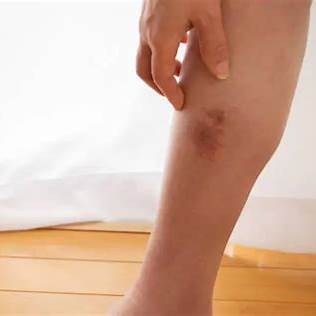
Cellulitis is a common but potentially serious skin infection that can develop quickly and worsen without proper treatment. If you’ve ever experienced redness, swelling, or tenderness in your skin, especially in the legs, you may have had cellulitis and not even known it.
What Is Cellulitis?
Cellulitis is a bacterial infection of the skin and the soft tissues underneath. It typically occurs when bacteria, most commonly Streptococcus or Staphylococcus species, enter the skin through a cut, scratch, insect bite, or other break in the skin barrier.
The condition most often affects the lower legs but can occur anywhere on the body. If left untreated, the infection can spread rapidly and lead to serious complications, including sepsis.
Common Symptoms of Cellulitis
Cellulitis symptoms can appear suddenly and worsen over a few hours or days. Look out for:
- Redness or inflammation in the affected area
- Swelling
- Warmth or tenderness to the touch
- Pain in the infected area
- Fever or chills (in more severe cases)
- Blisters or skin dimpling
While mild cellulitis can often be treated at home with antibiotics, it’s important to seek medical care promptly if symptoms worsen or spread.
What Causes Cellulitis?
Cellulitis occurs when bacteria penetrate the skin, often due to:
- Cuts, scrapes, or insect bites
- Cracks in dry skin or eczema
- Surgical wounds
- Pre-existing skin conditions (e.g., athlete’s foot, ulcers)
- Lymphedema or chronic venous insufficiency
- Weakened immune system
People with diabetes, obesity, or poor circulation are also at higher risk.
How Is Cellulitis Diagnosed?
Diagnosing cellulitis usually involves a clinical evaluation by a healthcare provider. This may include:
- Physical Exam: A provider will assess the affected area for redness, warmth, swelling, and tenderness.
- Medical History: You may be asked about recent injuries, surgeries, or underlying health conditions.
- Blood Tests: If the infection is severe, blood tests may be done to check for signs of systemic infection.
- Wound Cultures: In cases with open sores or abscesses, cultures may be taken to identify the specific bacteria.
Lifestyle Tips for Prevention and Management
While anyone can get cellulitis, there are proactive steps you can take to reduce your risk:
- Keep Skin Clean and Moisturized: Regular hygiene and moisture prevent cracks and dry skin that can allow bacteria in.
- Treat Cuts and Scrapes Promptly: Clean wounds immediately and cover them with sterile bandages until healed.
- Avoid Walking Barefoot Outdoors: This reduces the risk of cuts and punctures, especially in high-risk individuals.
- Manage Chronic Conditions: Keep conditions like diabetes, venous insufficiency, and eczema under control.
- Wear Protective Footwear: It is especially important if you have reduced sensation or circulation in your feet.
- Inspect Skin Regularly: Early signs of infection can often be spotted before symptoms worsen.
- Avoid Skin Trauma: Be cautious when shaving or engaging in activities that may cause scrapes or blisters.
Cellulitis is more than just a rash, it’s a serious infection that can escalate quickly if not treated. Understanding the symptoms and risk factors can help you seek care early and reduce your chances of recurrence. With proper treatment and preventive care, most people recover fully without complications.
How Restore First Health Can Help
At Restore First Health, we specialize in advanced wound care and chronic condition management that can help reduce the risk of infections like cellulitis. Our mobile care teams provide in-home treatments, helping patients manage wounds, circulatory conditions, and diabetic complications before they become serious.
If you or a loved one are at risk of cellulitis or have had recurring infections, our expert team is here to help you stay safe, heal faster, and live healthier.
Contact us today:
We’ll coordinate the care, so you don’t have to.
- Refer a patient. https://restorefirsthealth.com/refer-a-patient/
- Schedule a consult. https://restorefirsthealth.com/request-a-consultation/
Follow us to keep up to the date on the latest health news:
- Baddour LM, et al. Cellulitis and Erysipelas. StatPearls [Internet]. Treasure Island (FL): StatPearls Publishing; 2024. Available from: https://www.ncbi.nlm.nih.gov/books/NBK549770/
- Raff AB, Kroshinsky D. Cellulitis: A Review. JAMA. 2016;316(3):325-337. Available from: https://www.ncbi.nlm.nih.gov/pmc/articles/PMC6303460/