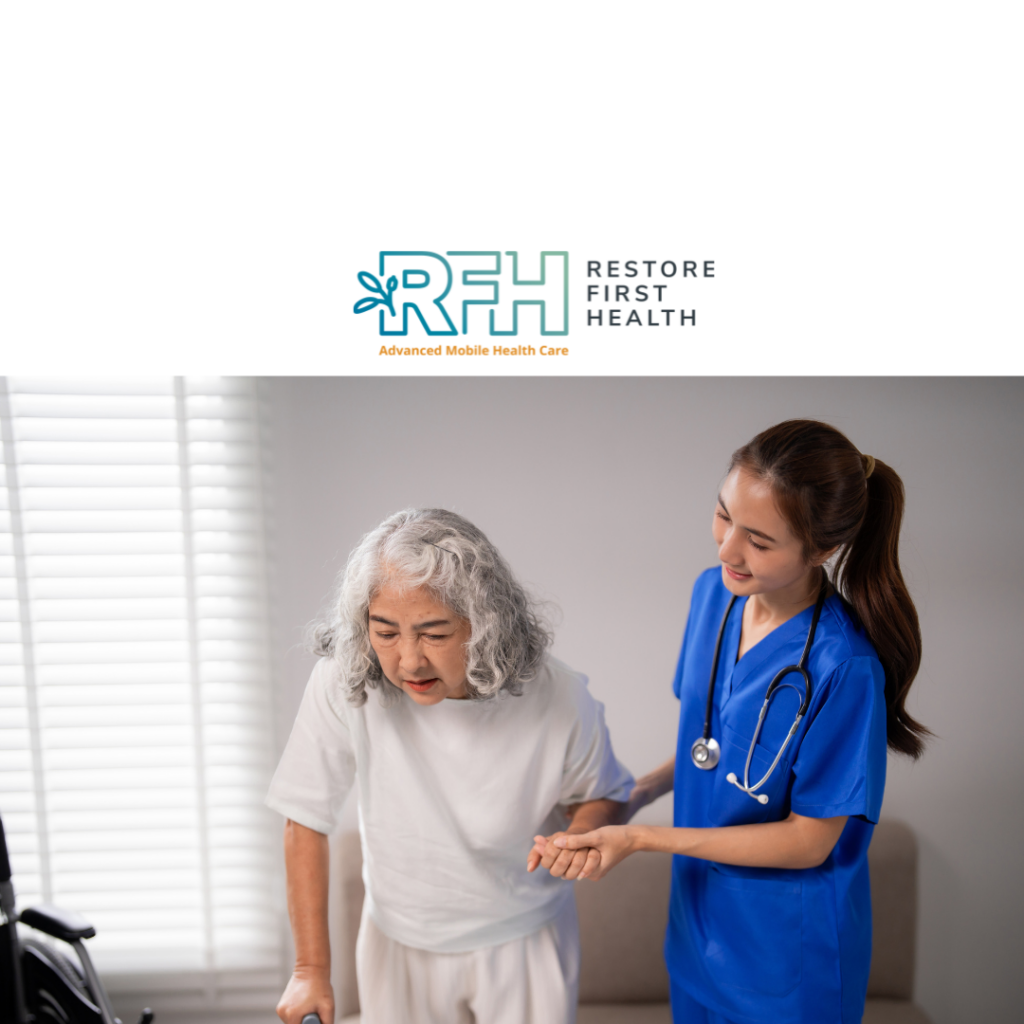
If you’re living with a chronic wound, lymphedema, or a long-term health condition, chances are mobility isn’t what it used to be. Getting out of bed. Walking to the bathroom. Standing long enough to make a meal. These “small” movements can feel exhausting or even impossible.
And you’re not alone.
For many patients, mobility challenges are one of the hardest (and least talked about) parts of living with chronic wounds, swelling, and complex medical conditions. Let’s talk about why mobility becomes such a struggle and what actually helps.
Why Chronic Wounds and Mobility Are So Closely Connected
Chronic wounds like diabetic foot ulcers, venous leg ulcers, pressure injuries, or non-healing surgical wounds don’t just affect the skin. They really affect how you move, how confident you feel, and how safe you are at home.
Here’s what many patients experience:
- Pain with walking or standing
- Fear of reopening or worsening a wound
- Balance issues from bandaging, boots, or offloading devices
- Muscle weakness from reduced activity
- Fatigue from chronic illness and inflammation
Over time, reduced movement can slow circulation, delay healing, and increase the risk of new wounds forming. It becomes a frustrating cycle.
Lymphedema: When Swelling Makes Every Step Harder
For patients living with lymphedema, mobility challenges often feel even more overwhelming.
Chronic swelling in the legs or arms can cause:
- Heaviness and tightness that make walking difficult
- Limited joint movement
- Skin breakdown that leads to wounds
- Increased risk of infection
- Trouble fitting into shoes or mobility aids
When swelling isn’t properly managed, patients often start moving less—not because they want to, but because movement hurts or feels unsafe.
The truth is: lymphedema and mobility go hand in hand. Managing swelling is essential for staying mobile and preventing complications.
The Emotional Side of Losing Mobility
Mobility loss is emotional too, not just physical. We see that.
Many patients tell us:
- “I don’t feel like myself anymore.”
- “I’m afraid to leave the house.”
- “I hate relying on others.”
Loss of independence, isolation, and frustration are incredibly common among people with chronic wounds and mobility limitations. These feelings matter—and addressing them is part of real healing.
Why Healing at Home Can Make a Difference
For patients with limited mobility, traveling to appointments can be exhausting, painful, or simply unrealistic. That’s where advanced in-home care becomes so important.
When care is delivered in the home:
- There’s less risk of falls and reinjury
- Patients conserve energy for healing
- Care plans can be tailored to the actual home environment
- Mobility challenges are addressed in real life—not just on paper
Seeing how a patient moves in their own space tells a much fuller story than a short clinic visit ever could.
Supporting Mobility While Healing Happens
Improving mobility doesn’t always mean big workouts or long walks. Often, it’s about safe, realistic progress.
Support may include:
- Managing wound pain so movement feels possible
- Addressing swelling with proper compression and education
- Evaluating footwear, offloading devices, or support surfaces
- Coordinating care so treatments don’t work against each other
- Encouraging gentle, consistent movement that fits the patient’s abilities
Healing and mobility should move forward together—not compete with each other.
You Deserve Care That Sees the Whole Picture
Living with a chronic wound, chronic condition, or lymphedema is hard enough. Mobility challenges shouldn’t be something you have to figure out alone.
The right care focuses on:
- Healing the wound
- Managing swelling and pain
- Supporting safe movement
- Coordinating across all providers
- Helping you stay comfortable and confident at home
Because healing isn’t just about closing a wound—it’s about getting your life moving again.